
Custom Search

Ancestral Photos and Portrait
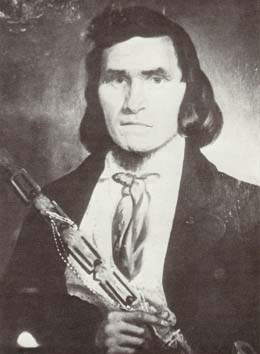
Above: Portrait of Chief Topinabee, son of Chief Nanaquiba and brother of Chief Chebass and Kaukema Burnett.
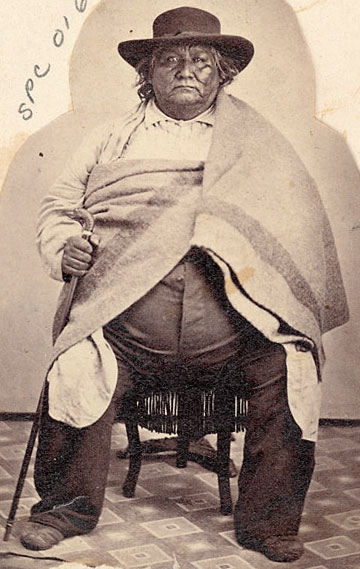
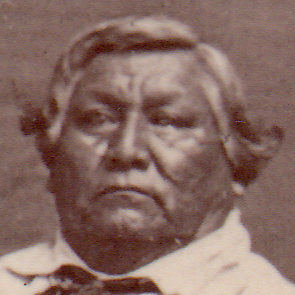
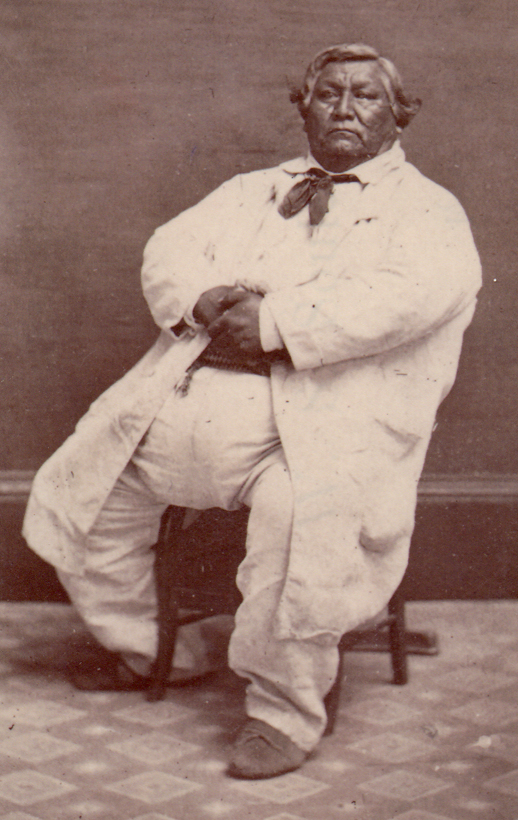
Chief Abram Burnett, a hereditary Chief of the Potawatomis, 1863
Above: Chief Burnett is wearing a blanket wrapped around his body telling all he maintained his traditional ways and faith as a Potawatomi Indian. Although many Potawatomis attempted to continue traditional lifestyles, assimilation and acculturation was hard to resist as it was forced upon the Potawatomis by the United States government. Between 1867 and 1869, Chief Burnett was documented in 3 photographs, all taken during important delegations and meetings with government officials. Understanding very well the differences between the Indian world and American ways, Chief Burnett cut his hair and dressed in what was noted by Americans as a more dignified and civilized manner before delegations. Indian chiefs such as Abram Burnett believed this would help in negotiations.
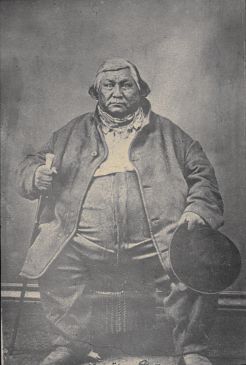
(Above photo from Kansas State Historical Society. Copy and reuse restrictions apply.)
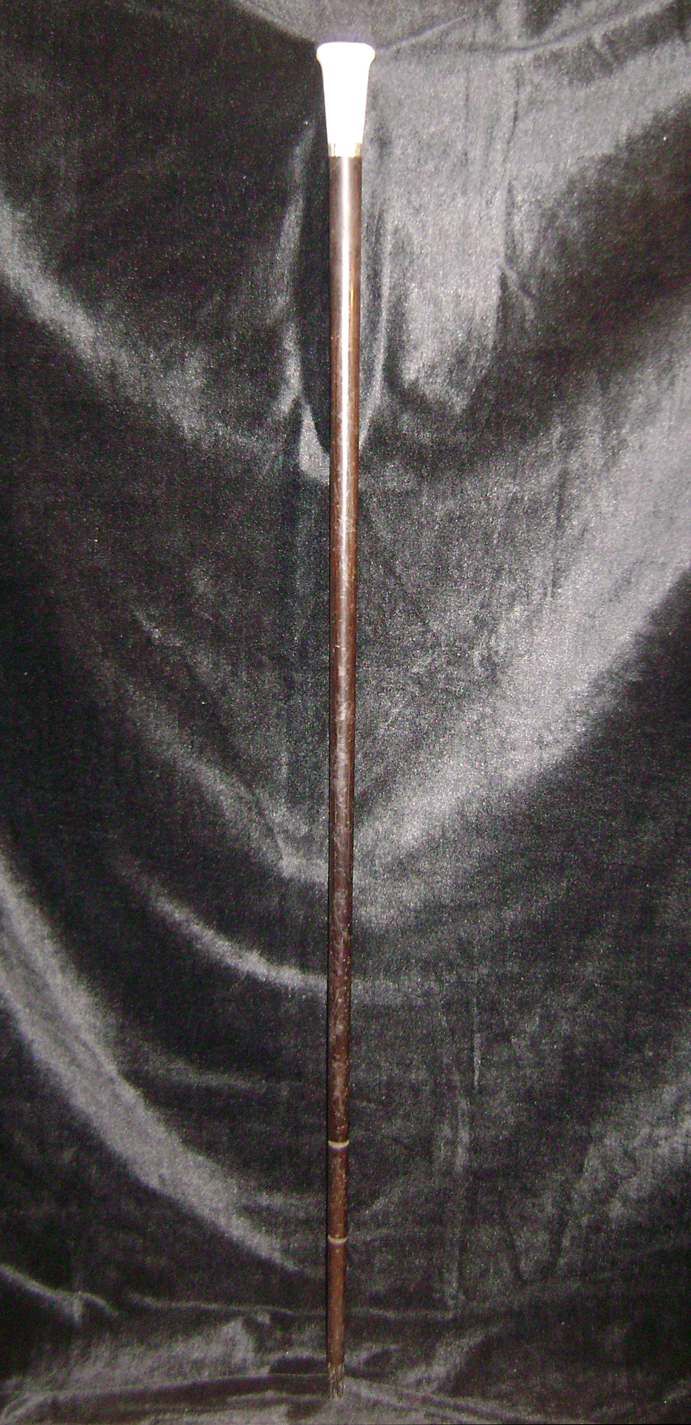
Above: Rose Quartz Silver Collar Ebonised Hardwood Shaft Cane of Chief Abram Burnett.
(Above photo from Kansas State Historical Society. Copy and reuse restrictions apply.)
(Above photo from Kansas State Historical Society. Copy and reuse restrictions apply.)
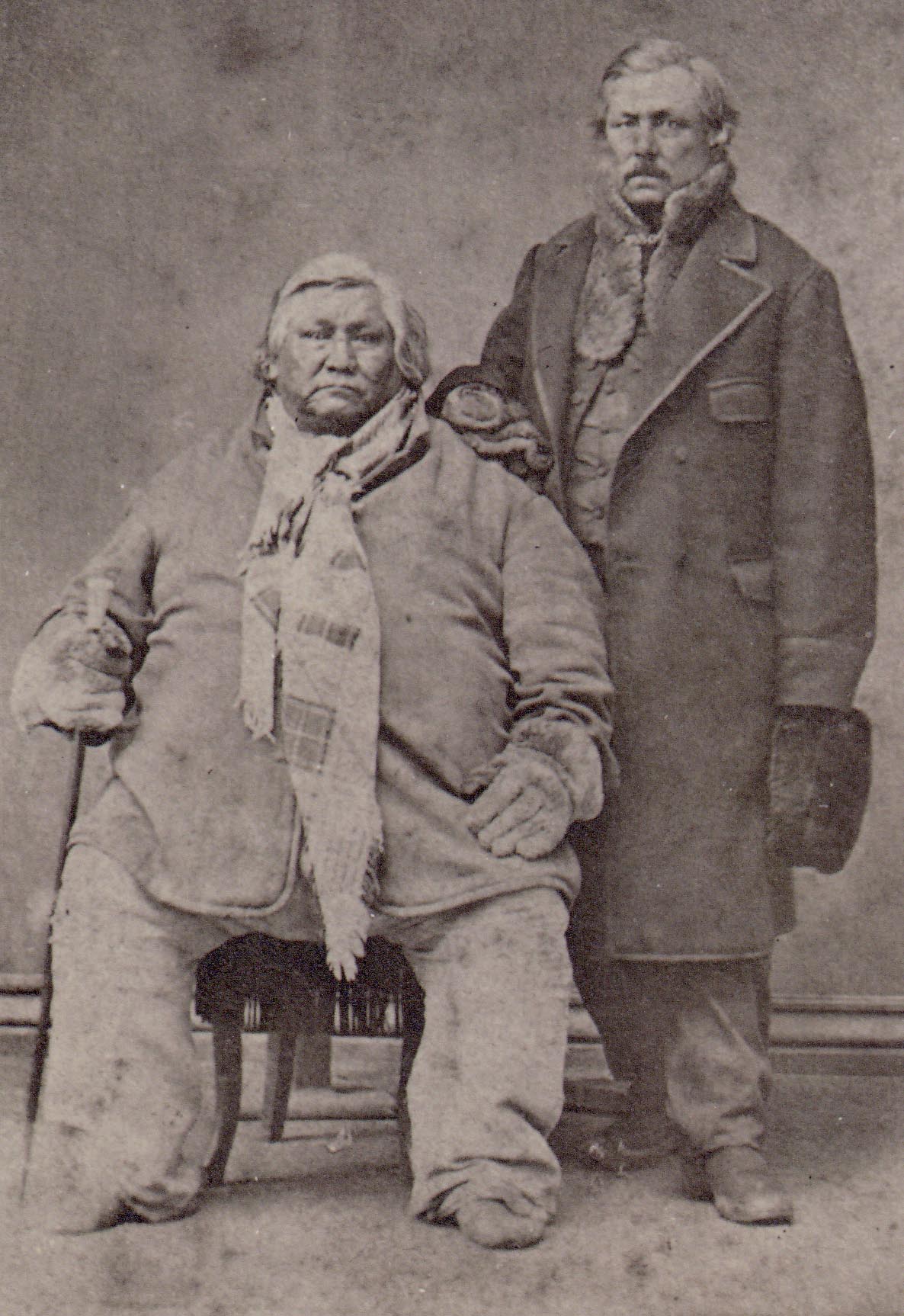
Above: Chief Burnett along with John Peyton
(Above photo from Kansas State Historical Society. Copy and reuse restrictions apply.)
Above: Chief Abram B. Burnett, biological grandson of Chief Chebaas, who was biological brother to Chief Topinabee. Both Chebaas and Topinabee were documented as chiefs of the St. Joseph Potawatomis. Chief Abram B. Burnett was 6' to 6'1" in height and was noted as being the strongest man in Kansas. He was noted as a remarkable sight weighing 496 lbs. at the time of his death.
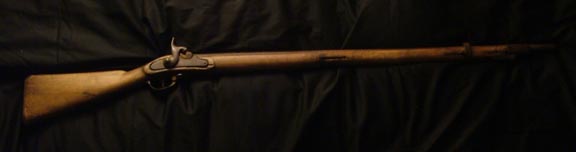
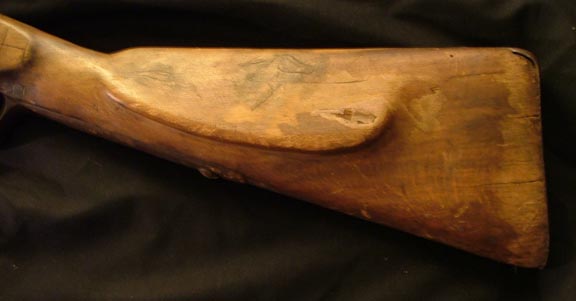
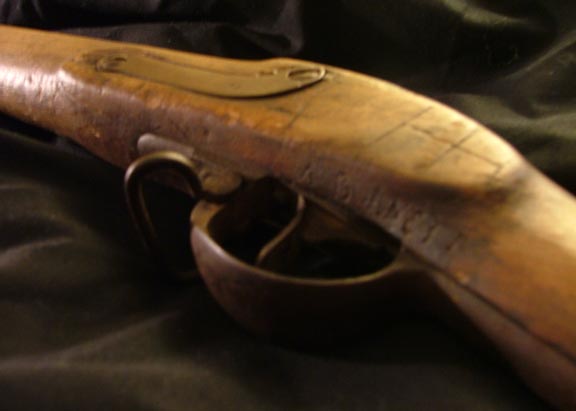
1860 Austrian Lorenz rifle-musket of Chief Abram B. Burnett. During the Civil War, Chief Abram B. Burnett helped as a guide for the Union Army assisting with his knowledge of the Kansas territory. In his assisting the Union Army, he was gifted an 1860 Austrian Lorenz musket. During this time his children had tended to a Maple Grove to make sugar. This grove provided a safe hiding place for food and valuables during the war.
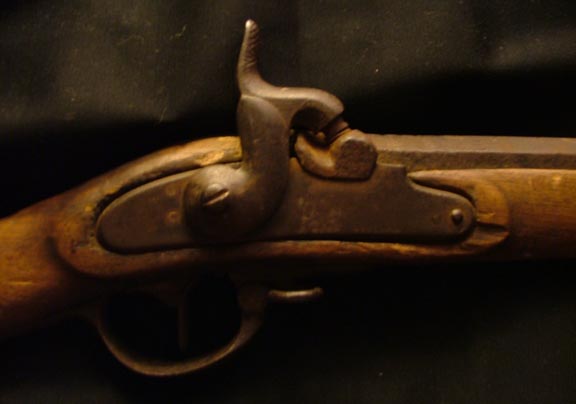
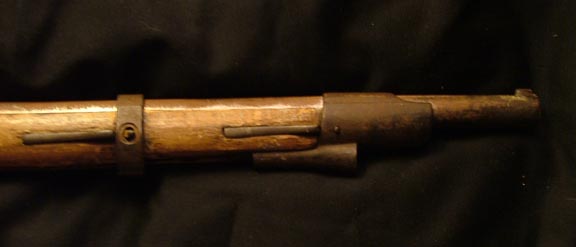
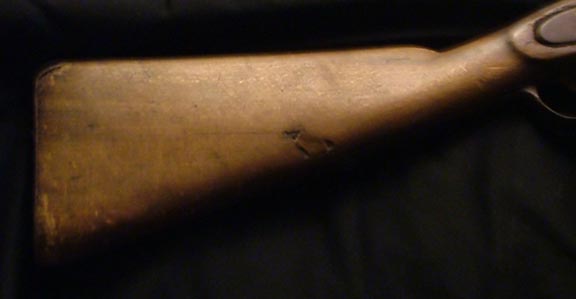
The Austrian Lorenz rifle-musket was a weapon used during the Civil War. It was the second most imported weapon to America from 1861 to 1865. Approximately 225,000 being imported to the Union and well over 100,000 imported to the Confederacy. It saw service on all fronts and in all situations, asserting itself well in the hands of the noble men who served with them.
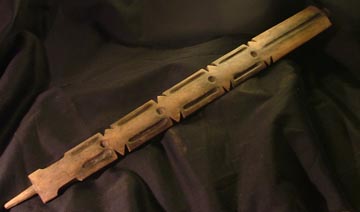
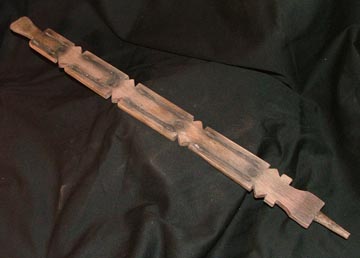
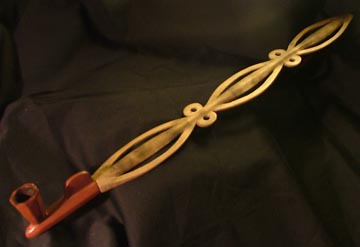
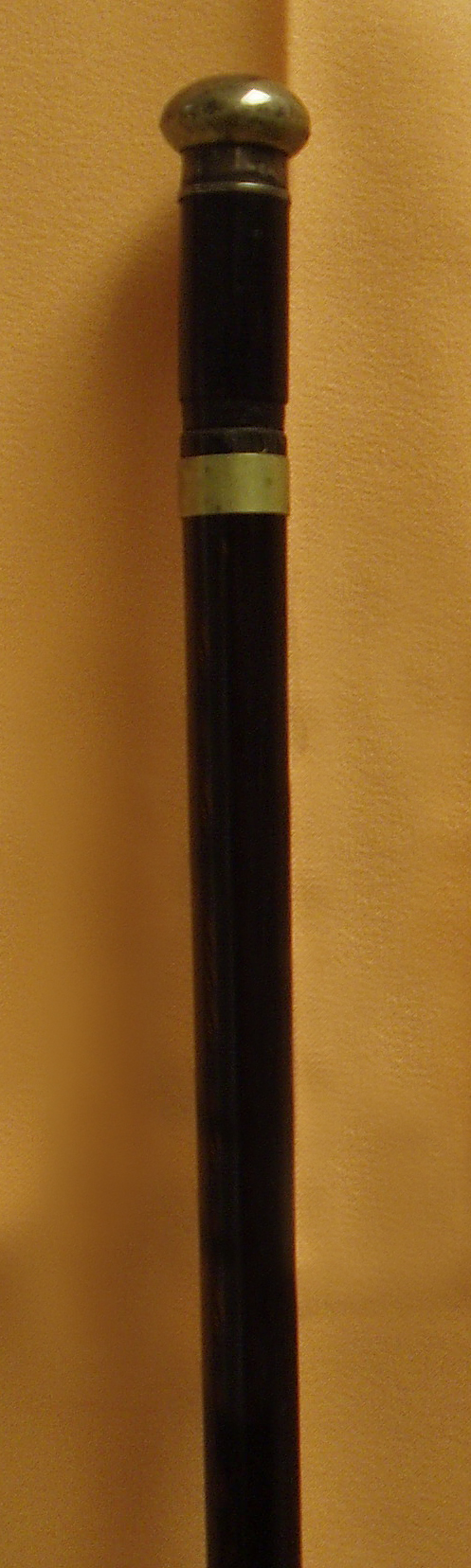
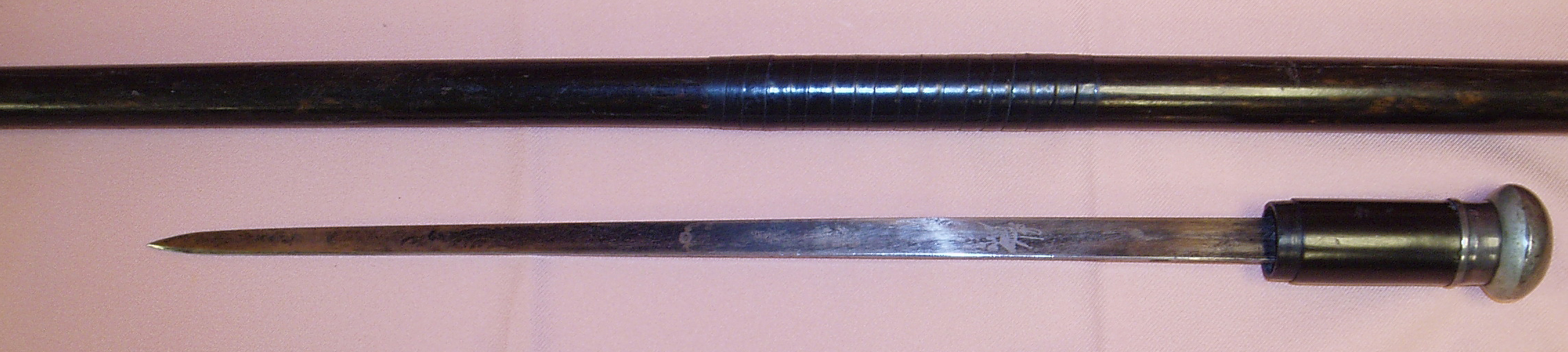
Below: Elaborate cane with hidden blade of Chief Abram B. Burnett. Courtesy of Kansas State Historical Society.

(Click above to enlarge)
(Click above to enlarge)
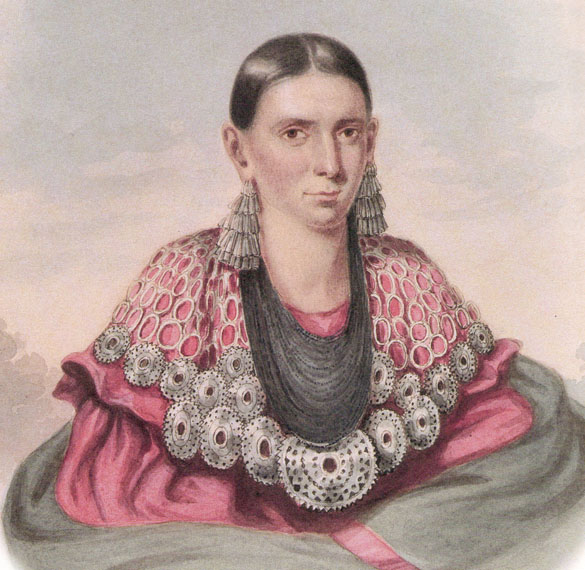
Above: First wife to Chief Abram B. Burnett (Nan-Wesh-Mah). Her name was D'Moosh-Kee-Kee-Awh (Dah-Moosh-Ke-Keaw). She passed away on October 19, 1842 in Sugar Creek, Kansas.
Painting by George Winters, 1837
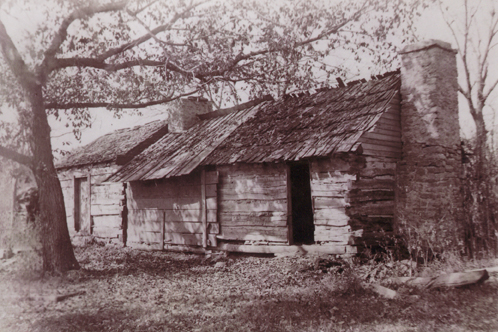
Above: : Cabin of Chief Abram B. Burnett located at the north side of Shunganunga Creek near the foot of the mound.
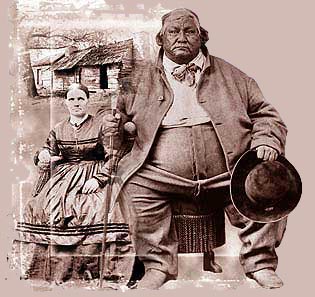
Above: Chief Abram B. Burnett and his second wife, Mary Knofflock Burnett.
Mary Knofflock was known to have been a fluent speaker of the Potawatomi language.
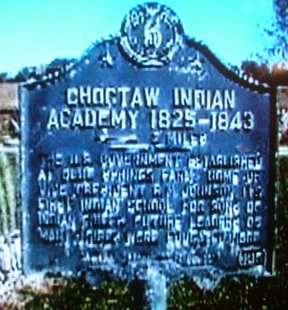
Above: Choctaw Indian Academy Plaque, school which Chief Abram B. Burnett as a young man was taken to by his grandfather, Chief Chebaas and General Tipton. Abraham Burnett, adopted father of Chief Abram B. Burnett, had also attended the Choctaw Academy in Kentucky established by the U.S. government at Blue Springs Farm.The academy was the first Indian school for sons of Indian Chiefs to educate the future leaders of many tribes. Abraham Burnett, adopted father of Chief Abram B. Burnett of Kansas, was known to have been dissatisfied with the United States handlings of treaties and sided with Tecumseh and the Prophet and played an aggressive role on the side of the Indian Confederacy in the battle of Tippecanoe. Abraham Burnett led a band of Potawatomi and Kickapoo warriors in an attempted ambush of William Harrison's troops in 1811.
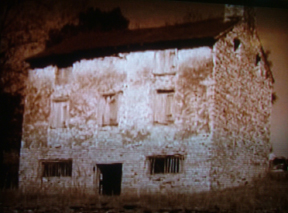
Above: the Choctaw Academy established by the United States government in Blue Springs Farm. This school was known to Have educated Choctaws, Potawatomis, Creeks, and other northeast and southeast natives.
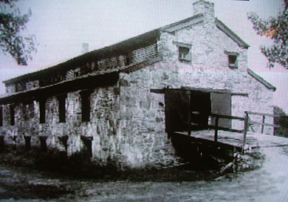
Above: Baptist Missionary School which was reverend by Isaac McCoy. This is the mission in which Chief Abram B. Burnett attended as a young boy.
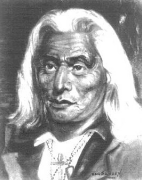
Above: Chief Leopold Pokagon, husband of Elizabeth Topinabee and father of Chief Simon Pokagon.
Chief Abram B. Burnett's grandfather, Chief Chebaas (Brother of Chief Topinabee), was the biological uncle to Elizabeth Topinabee.
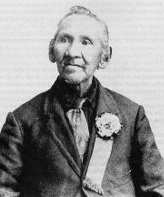
Above: Chief Simon Pokagon, son of Chief Leopold Pokagon and Elizabeth Topinabee Pokagon
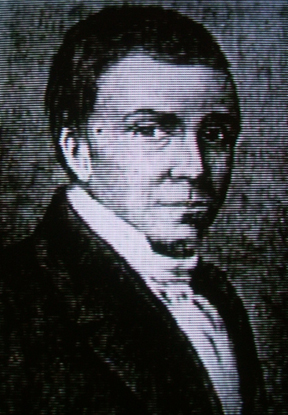
Above: Rev. Isaac McCoy, Baptist Missionary
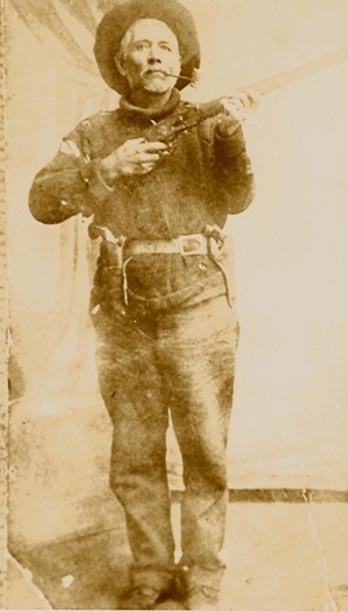
Above: Joseph Burnett, first born biological son to Chief Abram B. Burnett, a hereditary Chief of the Potawatomis.
Below: A very personal photo of Joseph Burnett in earlier times. Joseph Burnett was known to live in Oklahoma amongst his Citizen/Mission Band Potawatomis. This rare photo has never been shared with the public until now. It is of Joseph Burnett in Kansas at the gravesite of his father, Chief Abram B. Burnett of the Potawatomis. Note comparison of the background of older photo and the recent photo taken in 2006 by Carol Yoho of Washburn University and Kansas Historical Society respectfully at the gravesite of Chief Abram B. Burnett.
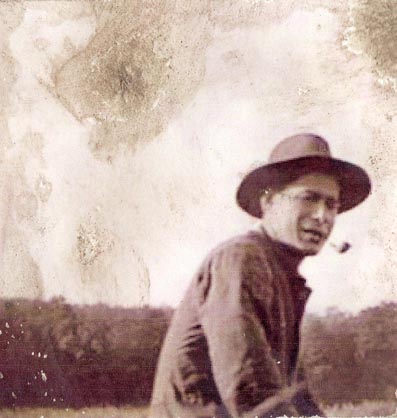
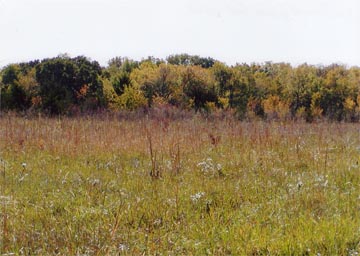
Above: Joseph Burnett, eldest son of Chief Abram B. Burnett in later years in Indian Territory, OK. Joseph Burnett had served on the Indian Police force, known as "The Light Horsemen".
Above: Joseph Burnett (to the left) with his younger brother, Abraham Lincoln Burnett (to the right), together in Indian Territory, OK.
Above: Abraham Lincoln Burnett, youngest child born to Chief Abram B. Burnett. He was born in 1864.
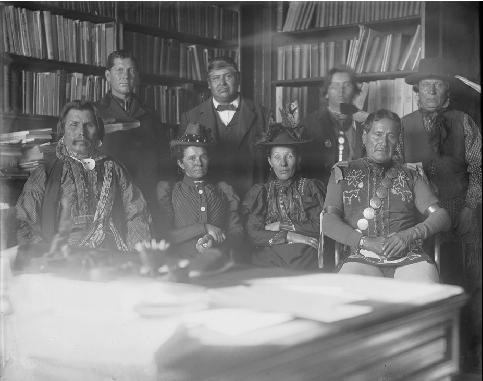
Delegation of Prairie Band Potawatomi from Kansas in Washington, December 8, 1898. Center: Youngest son of Chief Abram Burnett, Abraham Lincoln Burnett, at the age of 34 years old, born in the year 1864, Kansas.

Above: Abraham Lincoln Burnett
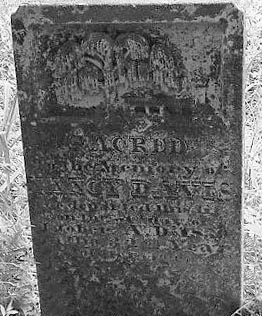
Above: The headstone of Nancy Davis-Burnett. She was the daughter of Kaukema (Cakimi) and William Burnett. She is the sister of Abraham Burnett, adopted guardian of Chief Abram B. Burnett (Nan-Wesh-Ma). Chief Abram B. Burnett had noted that his biological grandfather, Chief Chebaas, had passed away in the home Nancy Davis-Burnett.
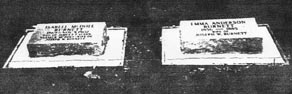
Above: Joseph Burnett married twice. To the right is gravestone to Joseph Burnett's first wife, Emma Anderson Burnett. To the left is the gravestone for his second wife, Isabell McDole Burnett. They are buried in the old Indian cemetery across the road east of the Sacred Heart Church and Parish Cemetery in Potawatomi County, Oklahoma.
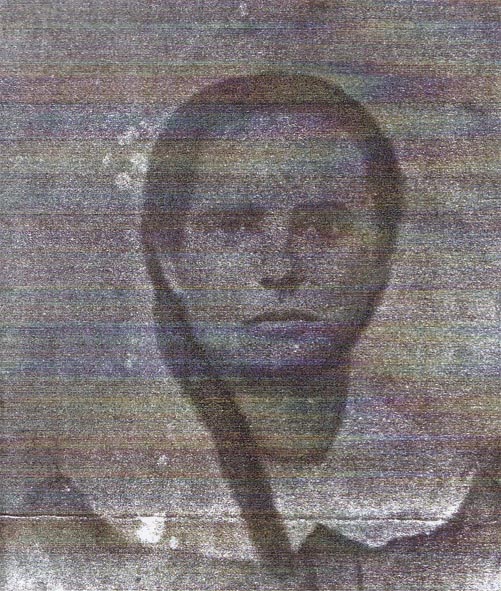
Above: Emma Anderson Burnett, first wife to Joseph Burnett and mother of Clarissa (Clara) Burnett. She was half-blood Choctaw.
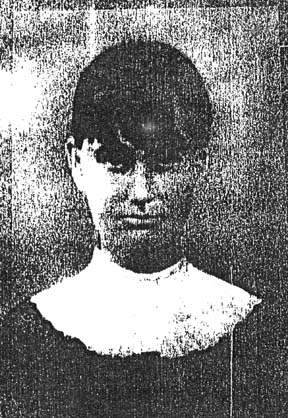
Above: Isabell McDole Burnett, second wife to Joseph Burnett. She was half-blood Potawatomi.
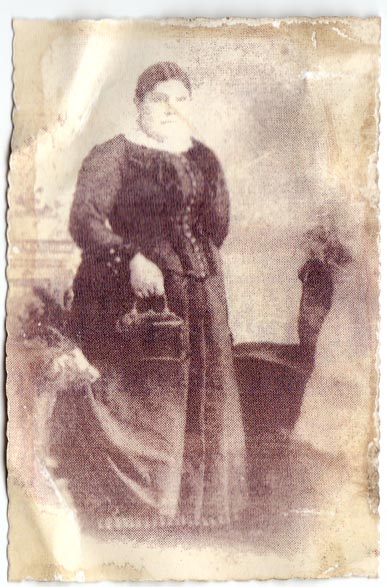
Above: Mary Jane Burnett, daughter of Chief Abram B. Burnett and sister of Joseph Burnett
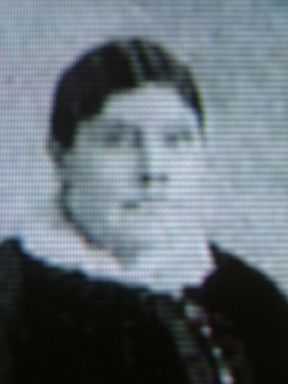
Above: Mary Jane Burnett, born 1844. Married Christopher Pearce, a West Point graduate who had studied for the Episca-Palian Ministry and served in the Civil War. In 1870, they would move from Topeka with Mary Jane's sister, Catherine, and her husband William Griffinstein, to establish and layout the site for Wichita, Kansas. In 1879, the Pearce family moved to Sacred Heart and later settled on their allotments east of present day Noble Oklahoma.
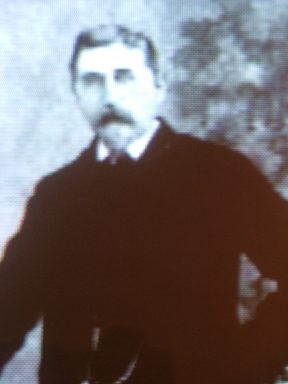
Above: Christopher Pearce, husband to Mary Jane Burnett, daughter of Chief Abram B. Burnett. He was a West Point graduate who had studied for the Episca-Palian Ministry and served in the Civil War.
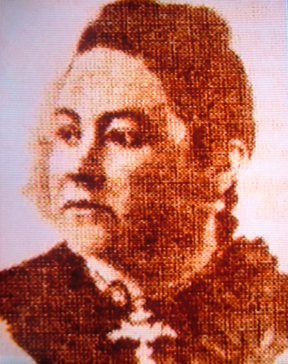
Above: Catherine Burnett (Born 1853), daughter of Chief Abram B. Burnett and sister of Joseph Burnett and Mary Jane Burnett. She married William Dutchville Griffinstein, a German immigrant and a prominent trader with an established trade route from Topeka to New Mexico. He was the founder and first mayor of Wichita, Kansas. Catherine and William would later move to Catherine's allotment in Oklahoma, Indian Territory, and establish Burnett Town.
Above: Chief Wis-Ki-Ge-Amatyuk (Wish kee gee amtyk/Smoke that Travels/Powerful Wind)
Prairie Band Potawatomi Indian Reservation. Mayetta, Kansas, 1921
Also known as Captain John Buckshot, who is the brother of Chief Wahquahboshkuk (Wak-Waboshkok/Roily Water) Sons of Chief Shaumquesteh (Shaum-Num-Teh/Potawatomi Medicine Man), who was a son of Chief Sen noge wone.
Wis-Ki-Ge-Amatyuk (Smoke That Travels/Powerful Wind) was known as a spiritual interpreter to spirits. A voice and ear in between the physical and spiritual realms (A Messanger).
A Potawatomi Holy Man and respected Potawatomi ritual leader.
For additional photo of Wis-Ki-Ge-Amatyuk, please visit Wisconsin Historical Society, documented under important Potawatomi men, 1890.
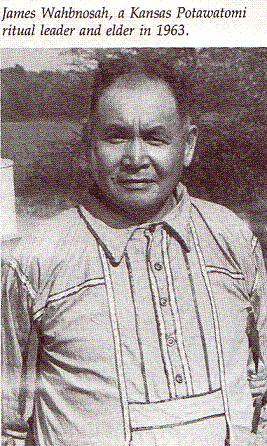
Above: James Wahbnosah, son of Wis-Ki-Ge-Amatyuk and father of Gary Wis-Ki-Ge-Amatyuk Sr., on the Prairie Band Potawatomi Indian Reservation, 1963.
Above: Gary Wis-Ki-Ge-Amatyuk Sr. (Wahb-No-Sah/Ke-O-Ko-Mo-Quah Family). Fluent in the Potawatomi language and traditions and was known as a quite and humble man who followed the old ways of his people respectfully and strictly thru prayer. As a ritual leader, he was the carrier of ancient songs and ways handed down to him by his father, grandfather, and other elderly traditionals.
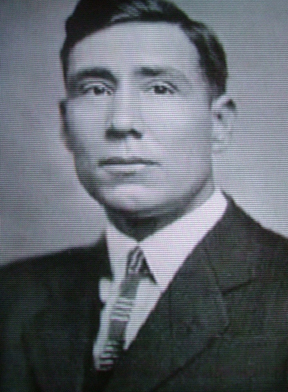
Above: Otis Burnett, son of Abraham Lincoln Burnett. Abraham Lincoln Burnett was the youngest child born to Chief Abram B. Burnett in 1864.
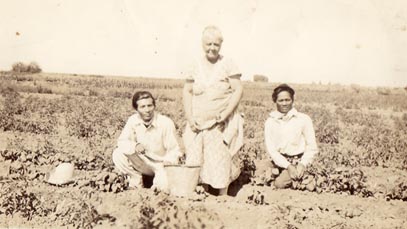
Above: Clarissa (Clara) Burnett (center), daughter of Joseph Burnett and Emma Anderson Burnett and mother of Rhodie Rose Burnett.
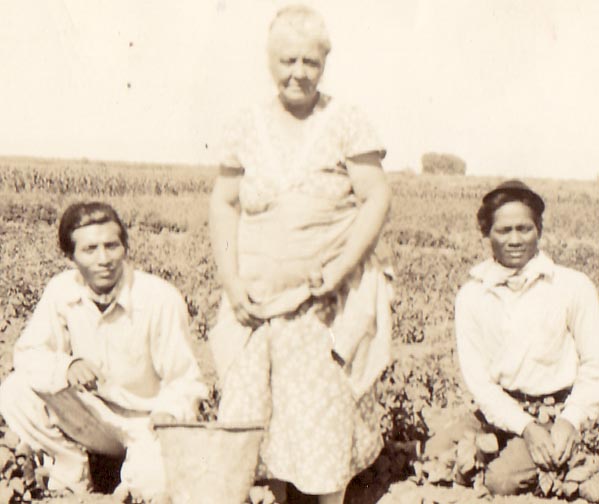
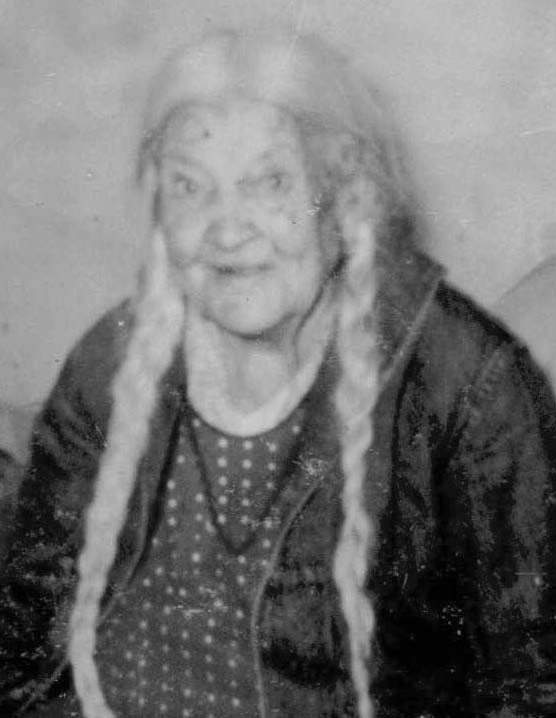
Above: Clarissa (Clara) Burnett, daughter of Joseph Burnett and Emma Anderson Burnett.
Joseph Burnett is the first biological son of Chief Abram B. Burnett. Chief Abram B. Burnett is the grandfather of Clarissa (Clara) Burnett. Clarissa (Clara) Burnett is mother of Rhodie Rose Burnett.

Above: Rhodie Rose Burnett, daughter of Clarissa (Clara) Burnett (Mission/Citizen Potawatomi) and Frank Shincis (Absentee Shawnee)
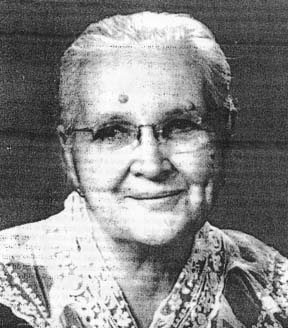
Above: Mary Wessellhoft Burnett, daughter of Joseph Burnett and Emma Anderson Burnett, and sister of Clarissa (Clara) Burnett.
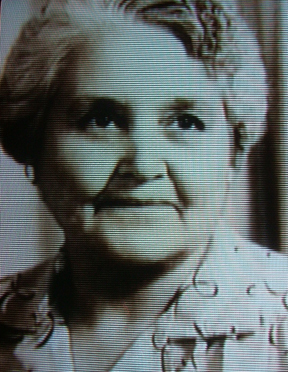
Above: Birdie Josephine Burnett Martin. She is the sister of Clarissa and Mary Burnett, daughters of Joseph Burnett and his first wife, Emma Anderson Burnett.
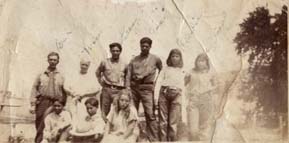
Above: Clarissa (Clara) Burnett and children
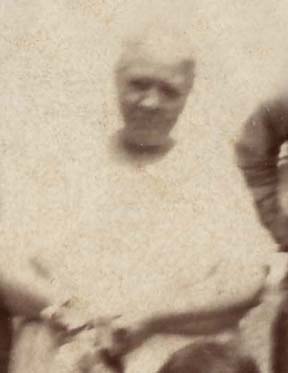
Above: Clarissa (Clara) Shincis Burnett
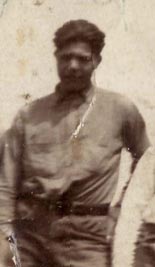
Above: Joseph Shincis Burnett
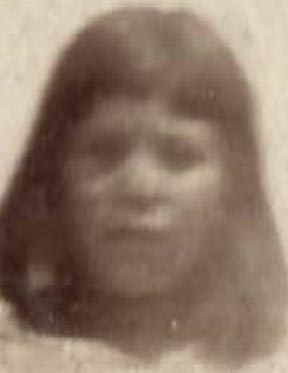
Above: Rhodie Rose Shincis Burnett
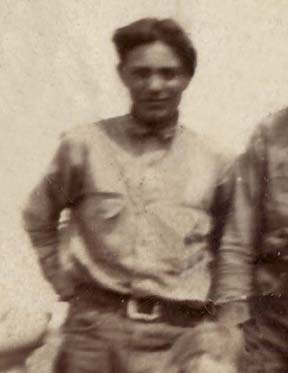
Above: George Shincis Burnett
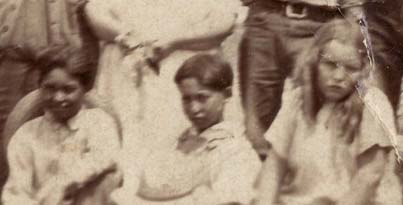
Above and to the right is Bee Burnett
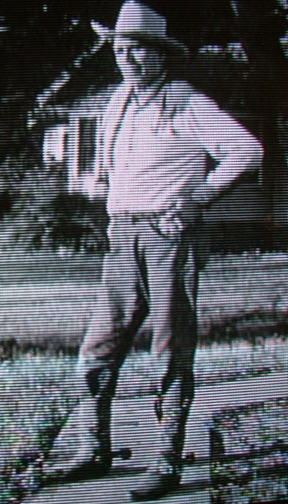
Above: Lee P. Burnett, (1895-1964). He is the son of Joseph Burnett and second wife, Isabell McDole Burnett. Lee P. Burnett is the father of Tawana Lee Burnett Santino.
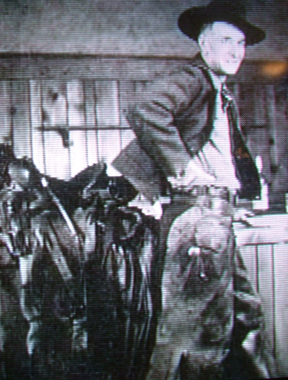
Above: Ben Burnett, brother of Lee Burnett and son of Joseph Burnett and second wife, Isabell McDole Burnett.
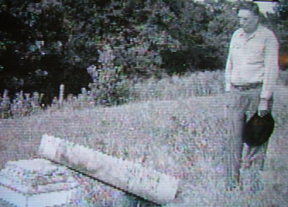
Above: Lee P. Burnett at the gravesite of his grandfather, Chief Abram B. Burnett, in Topeka, KS.